
A Subconscious Gateway, Pt. 1
What happens when photography becomes a gateway to the subconscious?

What happens when photography becomes a gateway to the subconscious? This question caught my attention recently while scrolling through social media. Since then, it’s lingered in my mind, pulling me back to when I first began exploring photography as a medium for deeper, thought-provoking conversations.
During that time, I was immersed in Ghost Image by Hervé Guibert—a book that blurs the line between photography, memory, and identity. One passage stood out in particular. Guibert described his mother and the camera, not just as a tool for capturing moments but as something far more profound—a device capable of revealing truths hidden beneath the surface.
This idea has stayed with me, reshaping how I view the act of making images. Photography, in its essence, doesn’t just document; it probes, uncovers, and sometimes whispers the secrets we didn’t even know we were holding. The following is a deep dive into such a topic.
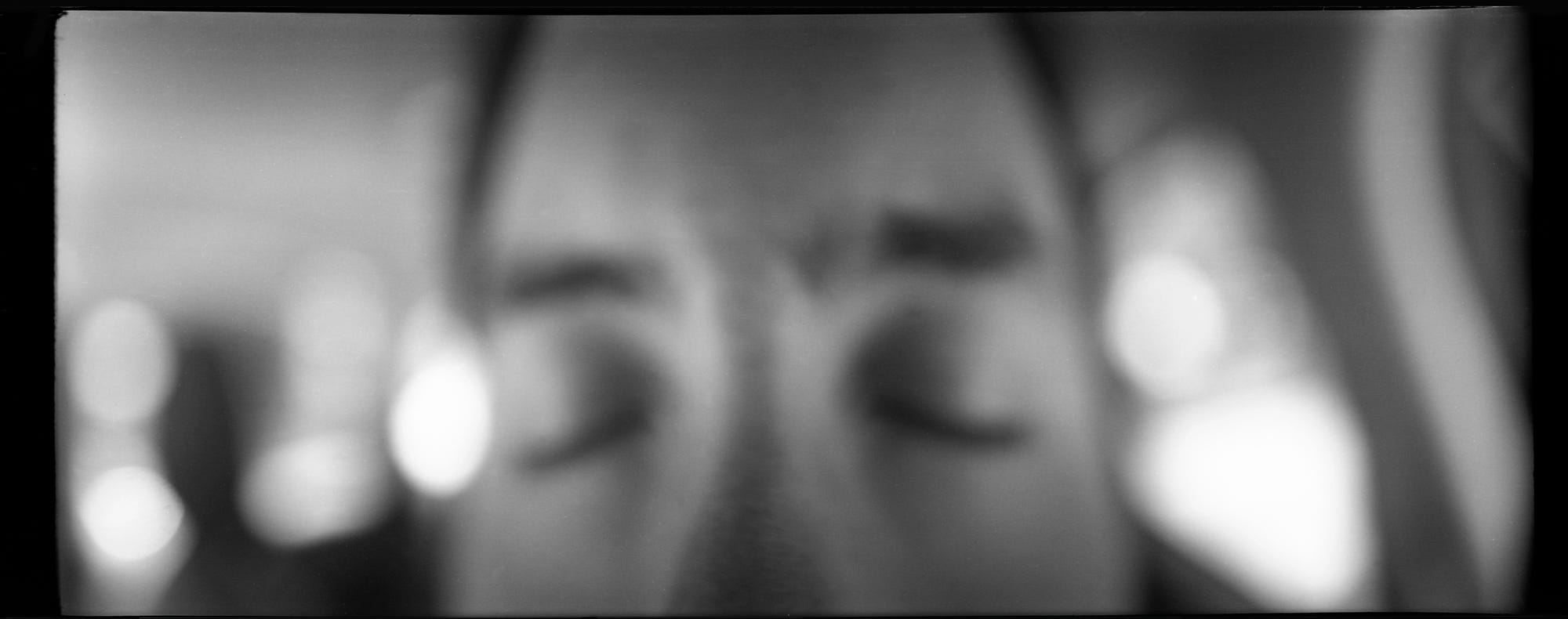
Photography is often celebrated as a tool for documenting reality, freezing fleeting moments in time. Yet, since its inception in the mid-1800s, photographers have consistently pushed the boundaries of the medium, inviting viewers to question what they are truly seeing. Is it a simple representation of reality, or does it reflect something deeper—an echo of the photographer's thoughts and inner world? To that extent, what happens when photography serves as a gateway to the subconscious? In this space, photography has the power to transcend its role as a visual medium and transform into a deeply psychological and emotional journey, revealing layers of meaning beyond what is visible.
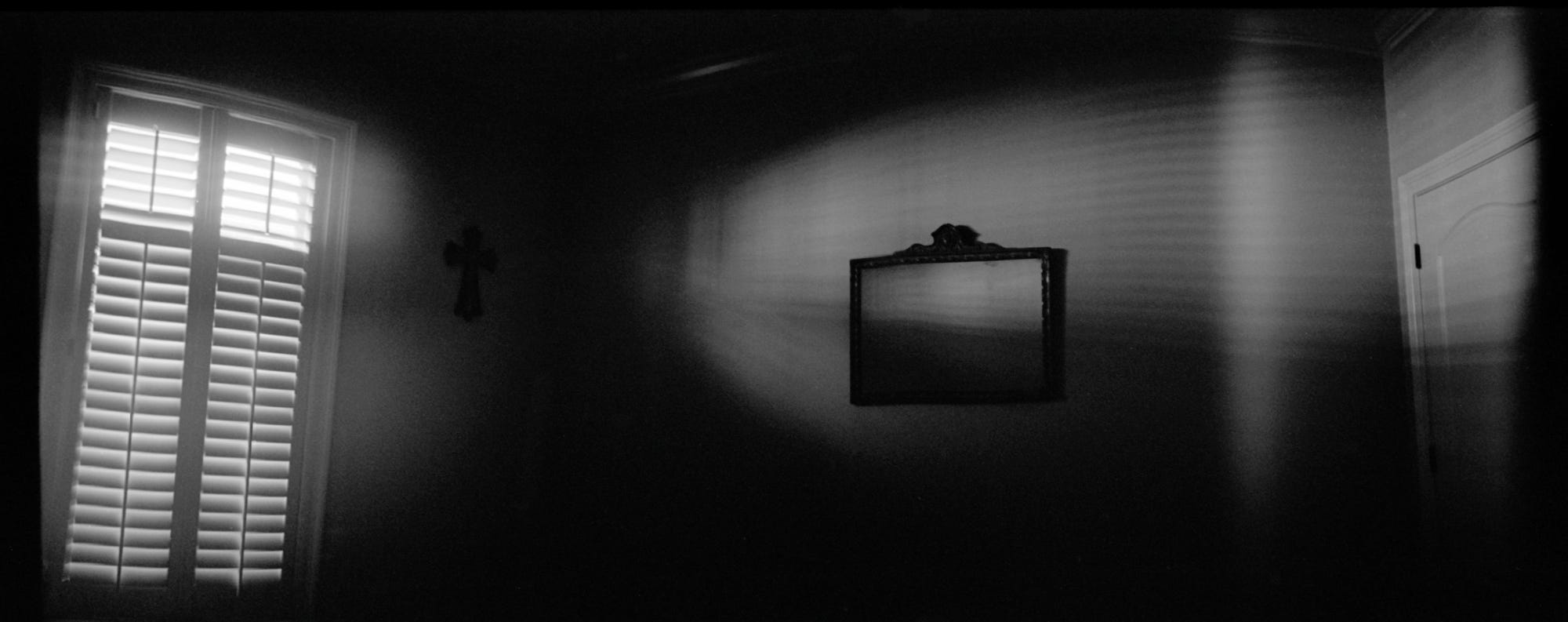
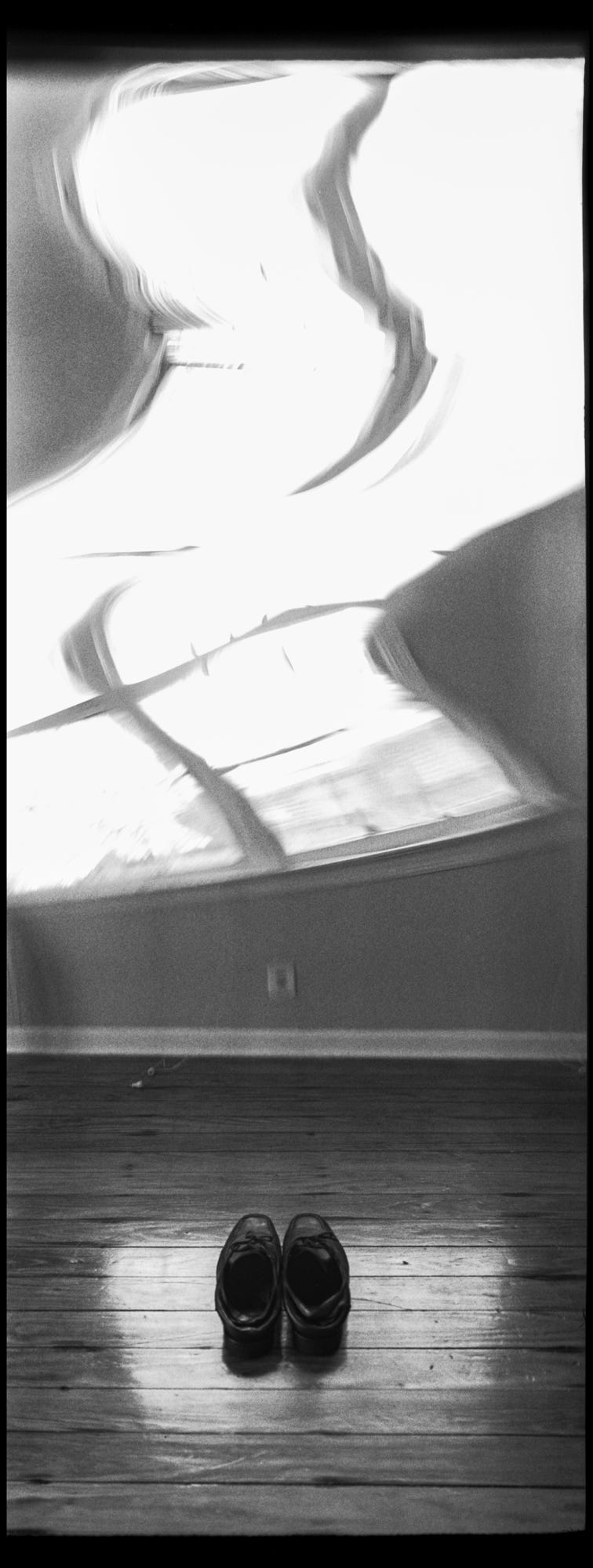
When photography connects with the subconscious, it begins to resonate on a universal level. Images evoke emotions, memories, and ideas that aren't immediately apparent but feel deeply familiar. This connection often stems from the use of symbols and archetypes—elements that tap into our shared human experience. A shadowy figure, a foggy landscape, or a cracked mirror can become metaphors that stir something profound within us, much like interpreting a dream.
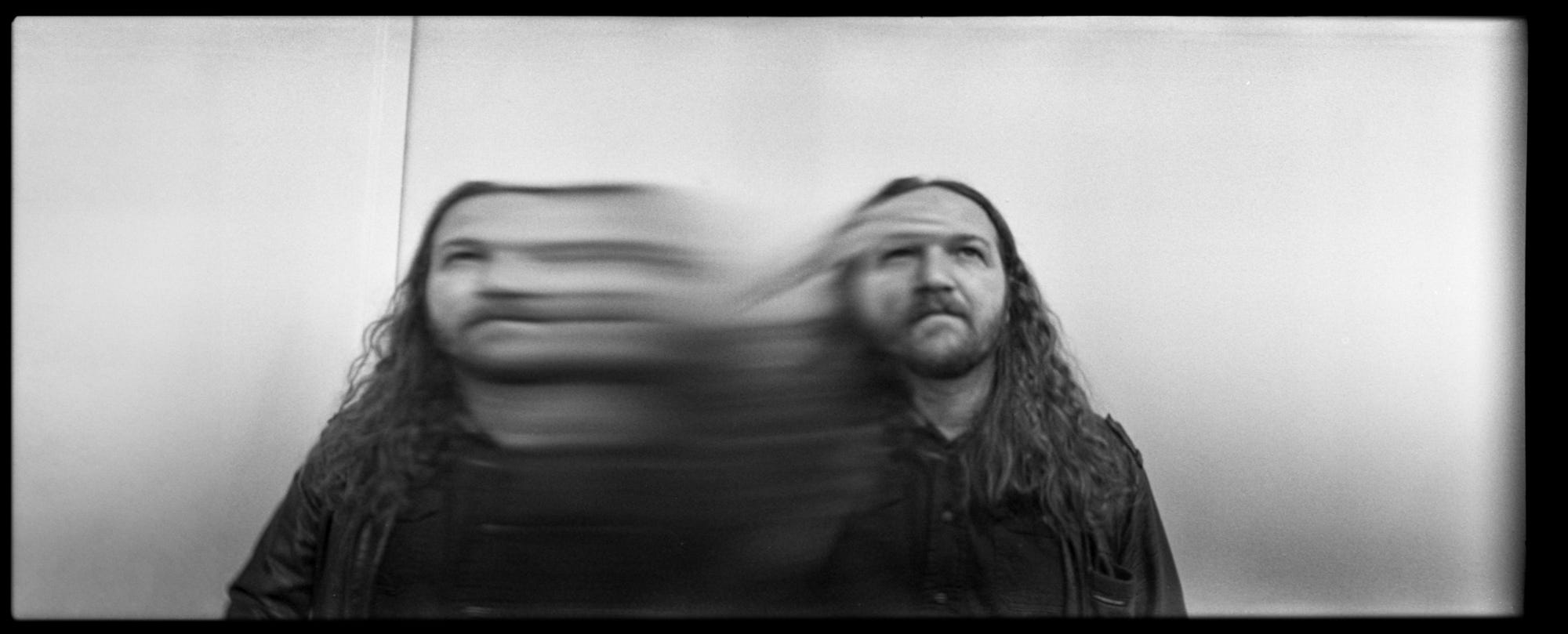
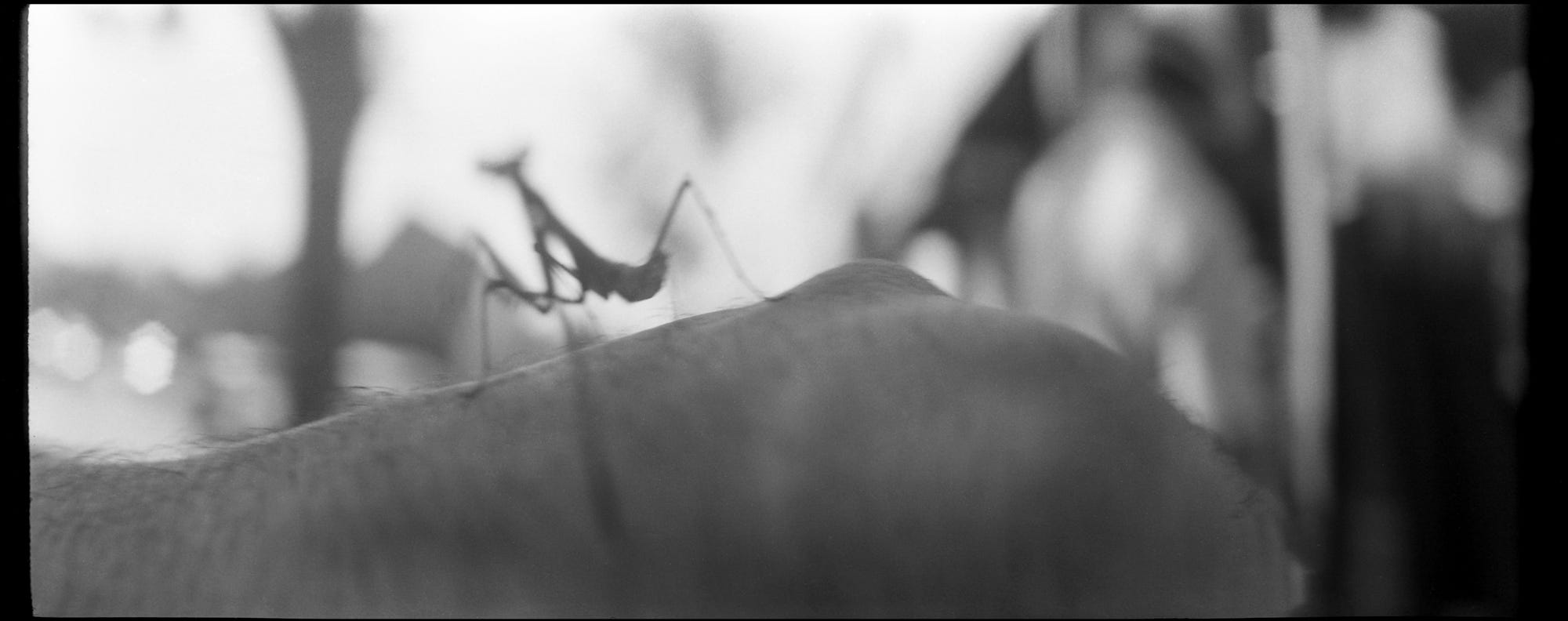
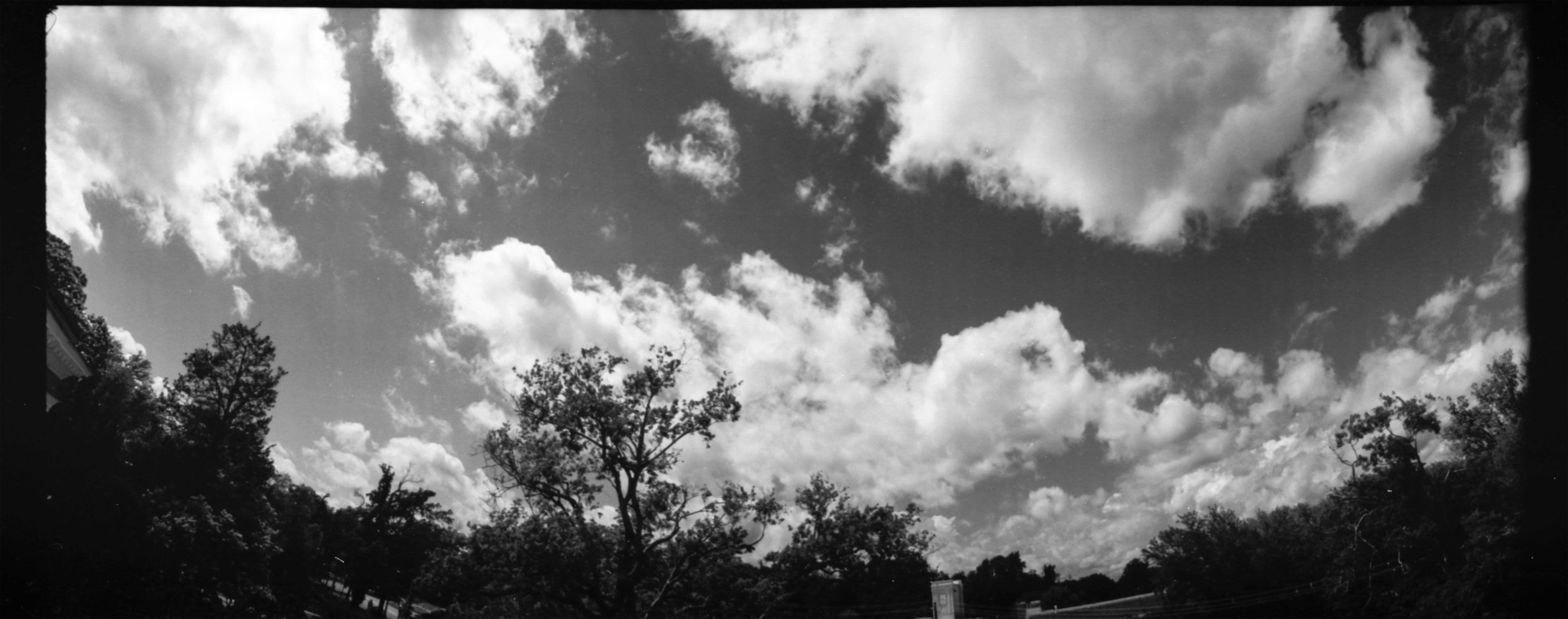
Photography, at its best, can make the invisible visible. Surreal compositions, double and/or slow exposures, and abstractions invite viewers into a world that feels both real and imagined. These techniques mimic the fluidity of thought and memory, creating images that seem to have emerged from a dreamscape. They allow the subconscious to fill in the gaps, weaving narratives unique to each viewer.
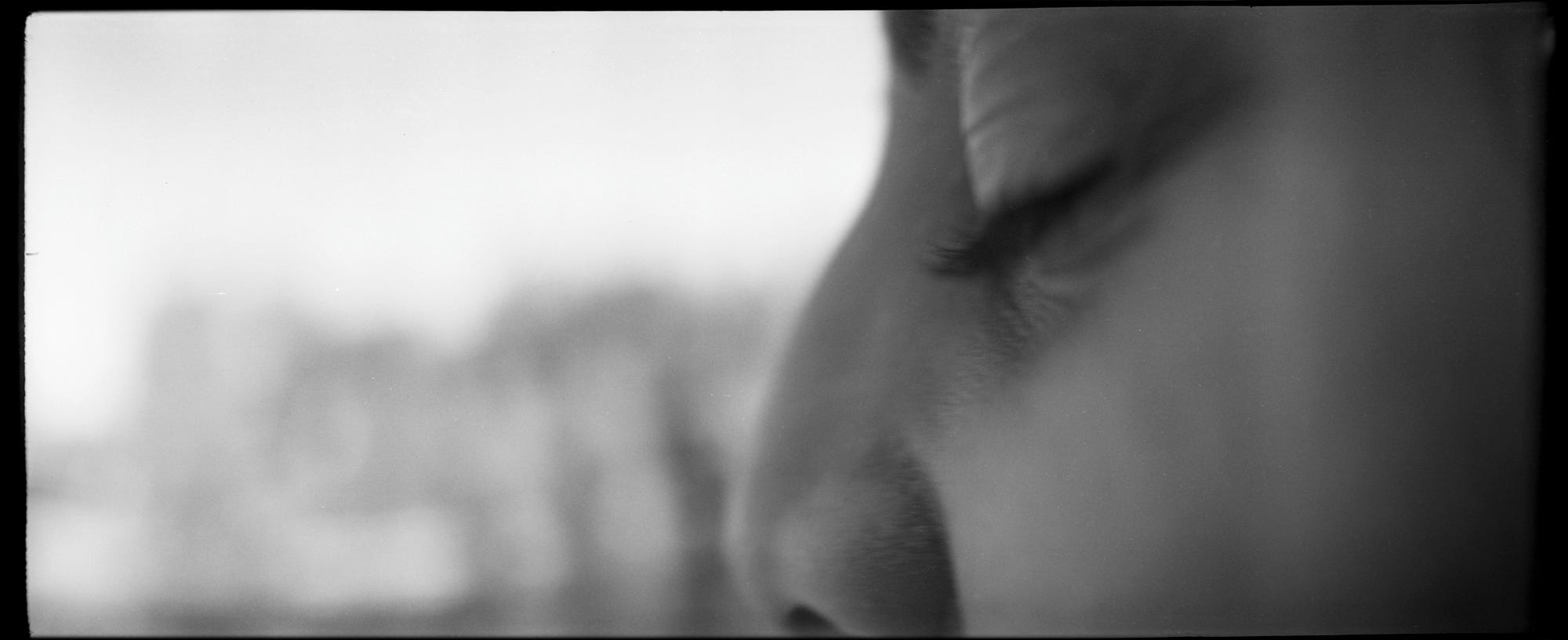
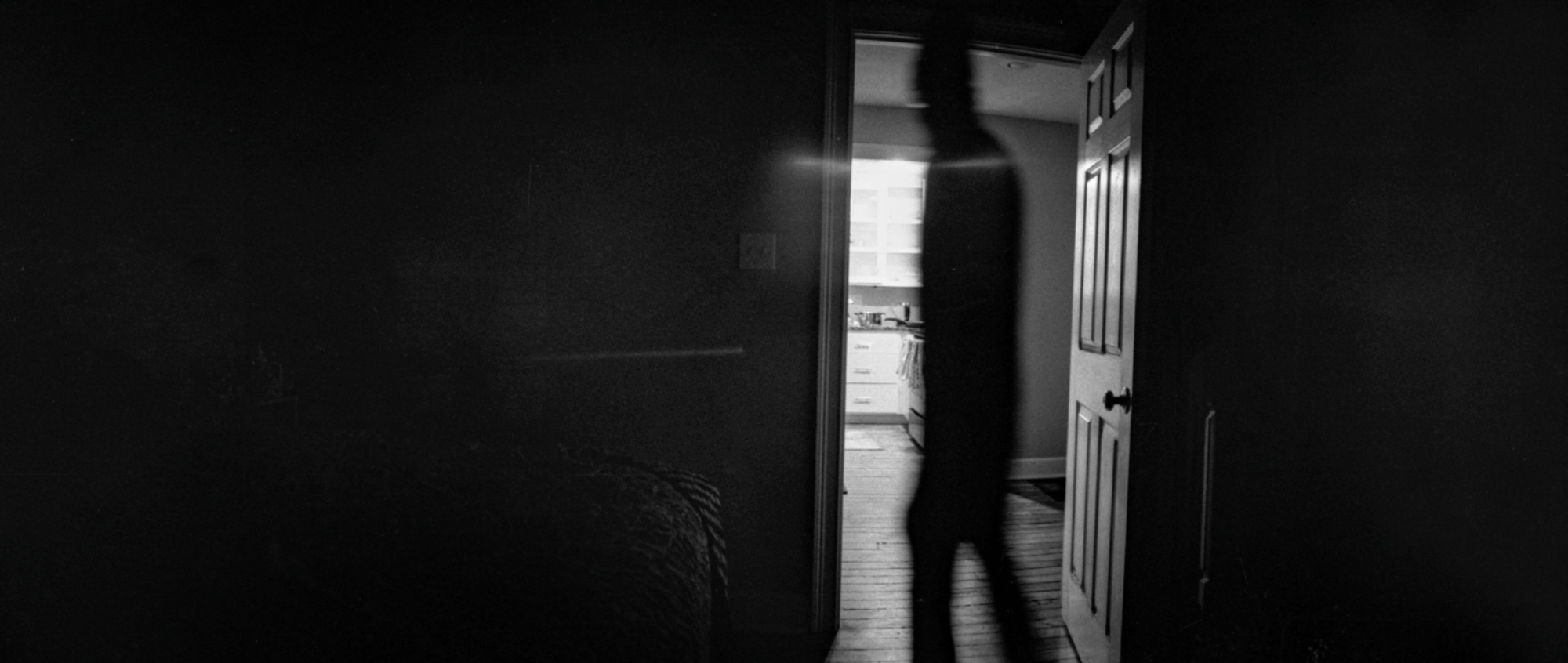
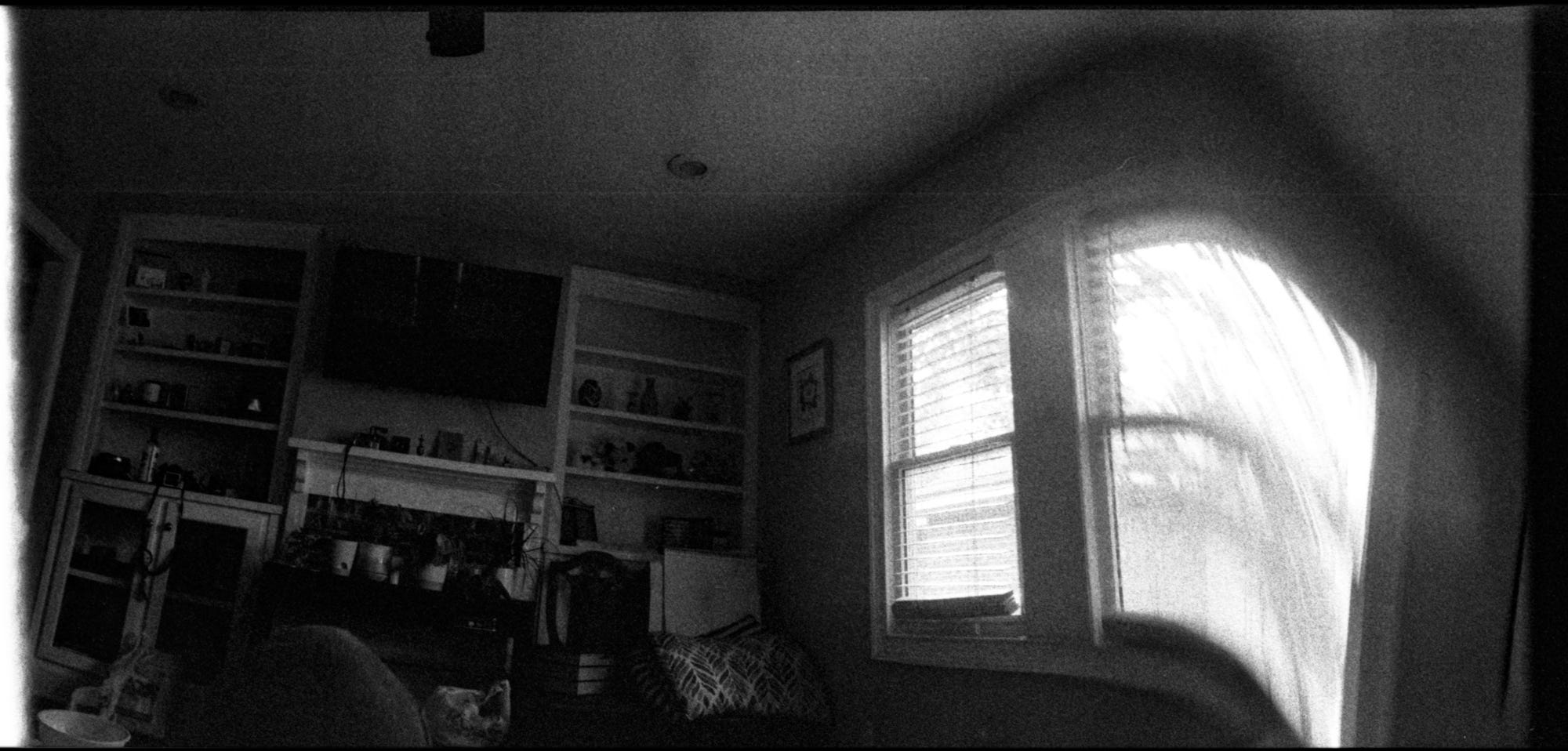
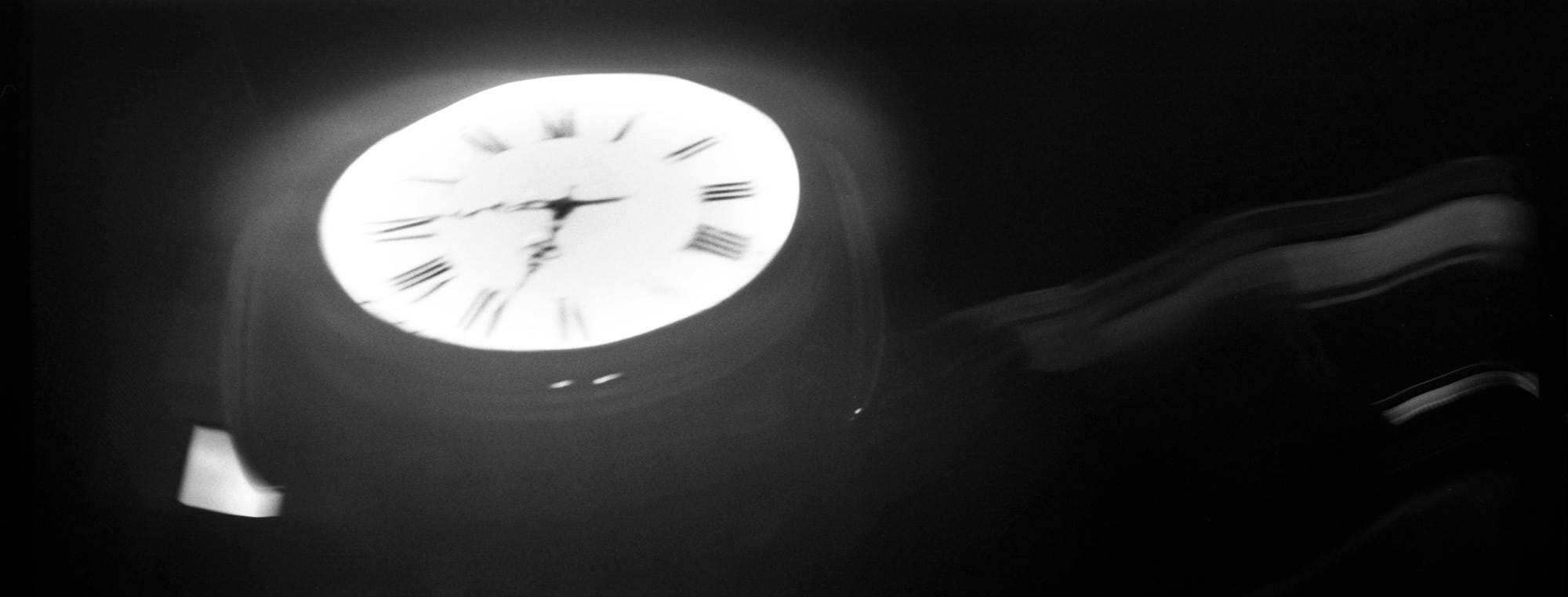
For the photographer, this journey into the subconscious can be deeply personal. The act of creating becomes an exploration of inner fears, desires, and unresolved emotions. The camera transforms into a tool for introspection, a way to process what words cannot express. Each click of the shutter externalizes a fragment of the subconscious, offering clarity or closure for the artist.
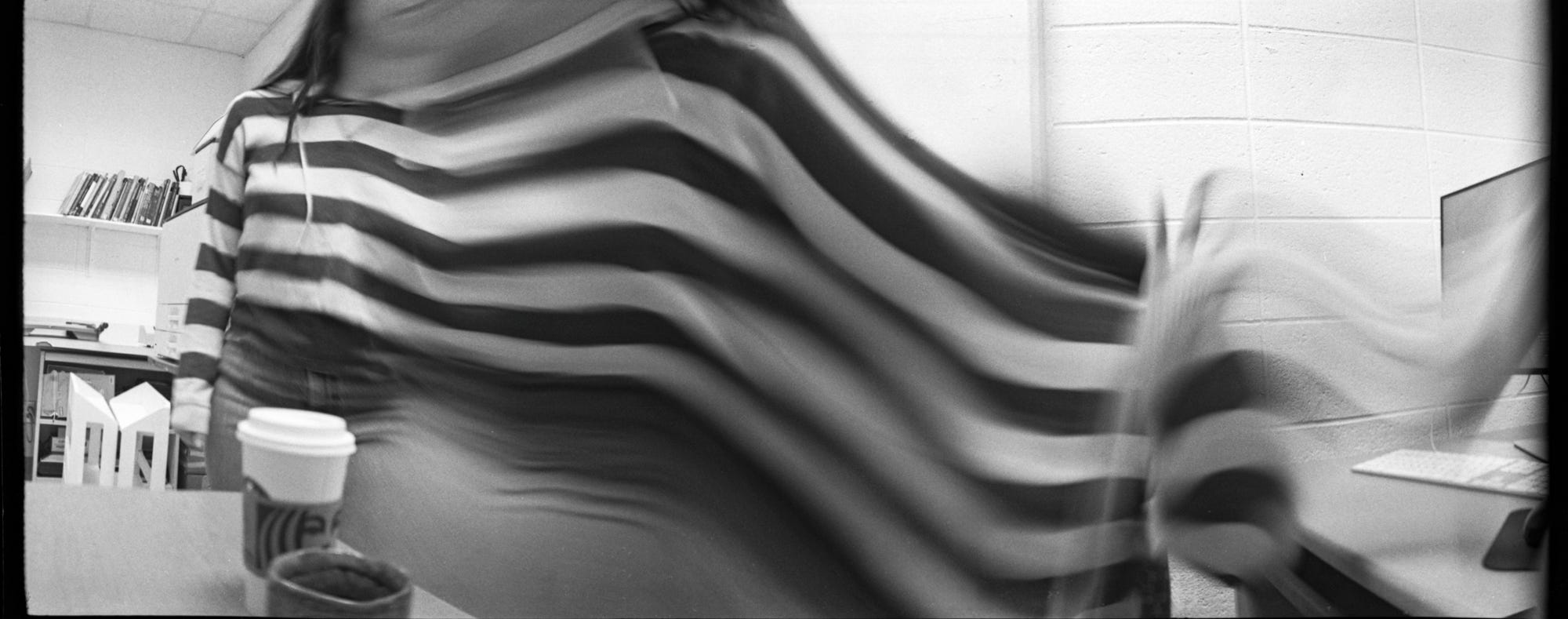
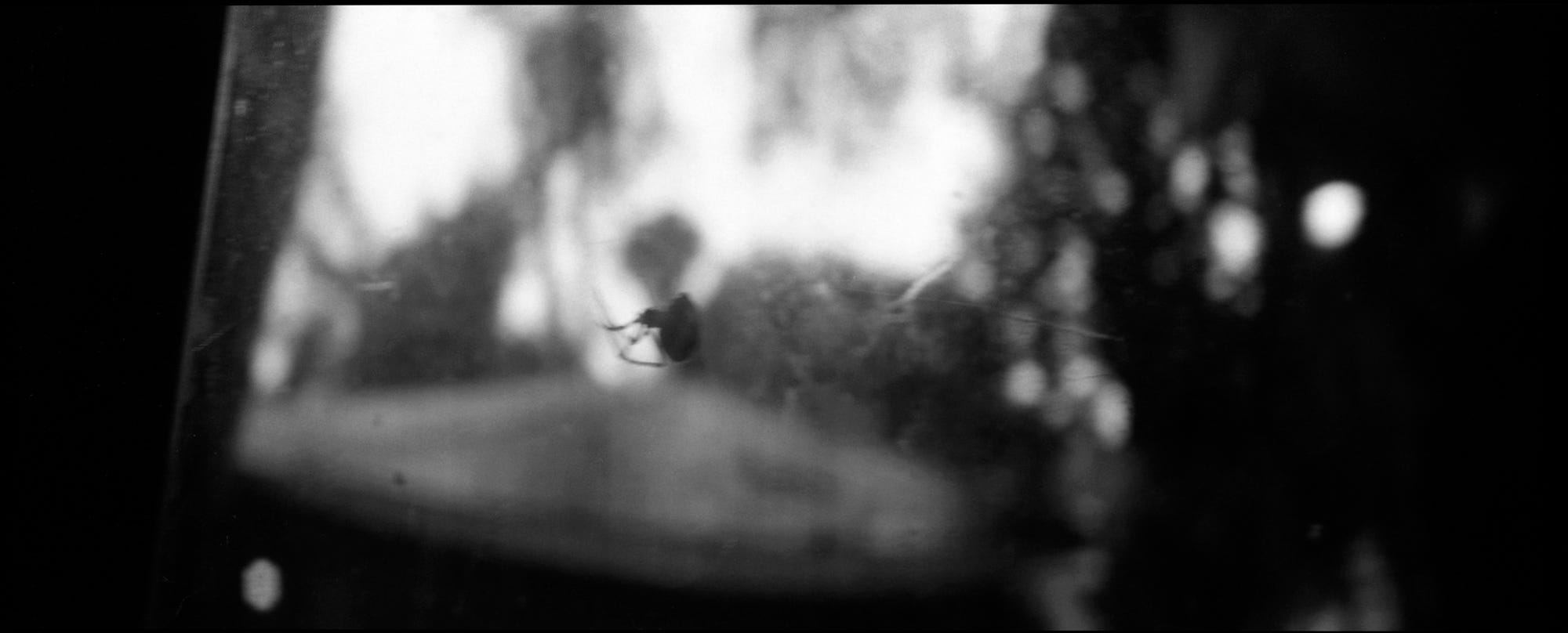
When viewers encounter images born from the subconscious, they often find themselves reflecting on their own inner worlds. Such photographs act as mirrors, inviting us to explore the stories we carry beneath the surface. This kind of art transcends aesthetics—it becomes a conversation between the creator's subconscious and our own.
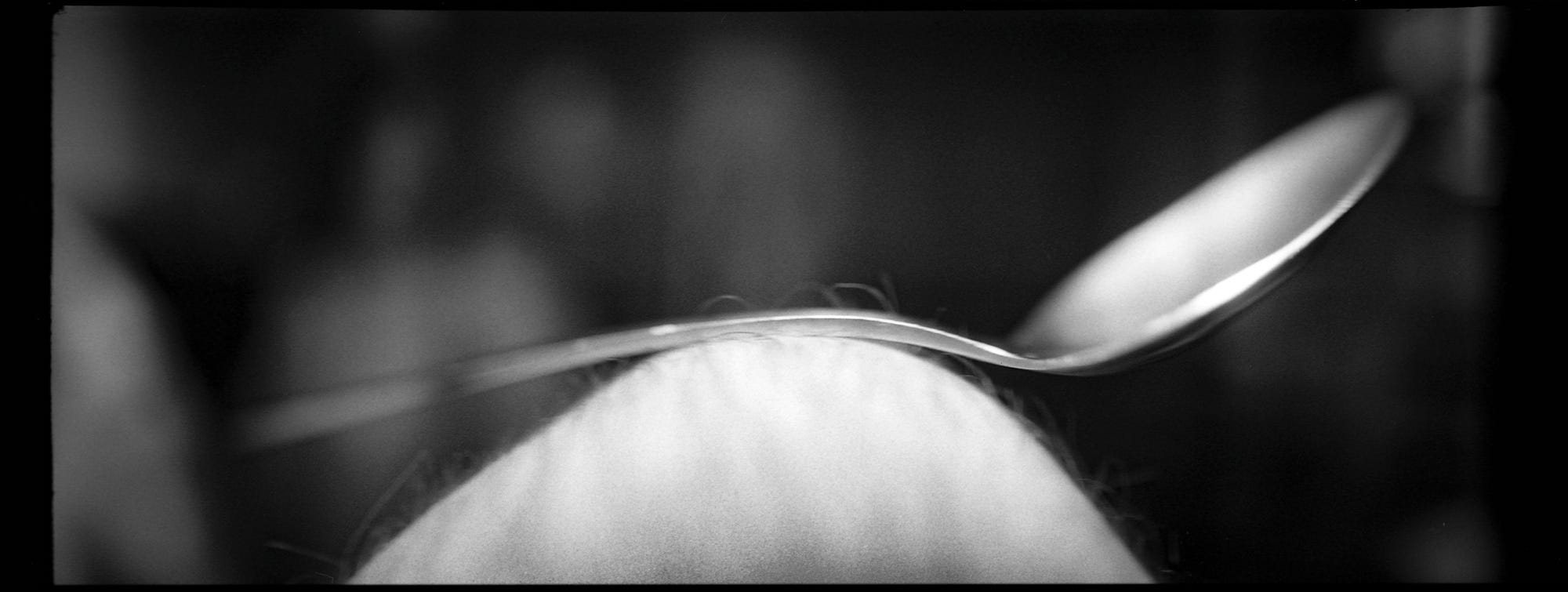
Photography that acts as a gateway to the subconscious challenges the conventional boundaries of the medium. It moves beyond capturing what we see to exploring what we feel, fear, and imagine. In this realm, every photograph holds the potential to be more than an image; it becomes a bridge to the intangible.
So the next time you pick up a camera or view a photograph, ask yourself: What lies beneath the surface? What stories does this image possibly communicate to my subconscious? In answering these questions, you may find that photography is not just a way to document the world—it’s a way to discover yourself.